 EN
EN RU
RU VN
VNFood in Vietnam
Special Food in Vietnam Nem Ran (Spring Rolls) Nem ran (called cha gio in the South) is a highly appreciated specialty, although it is quite easy to prepare. For a long time, nem ran has been a familiar dish served in almost every household during New Year festivities, family gatherings, and receptions. The filling of […]
Special Food in Vietnam
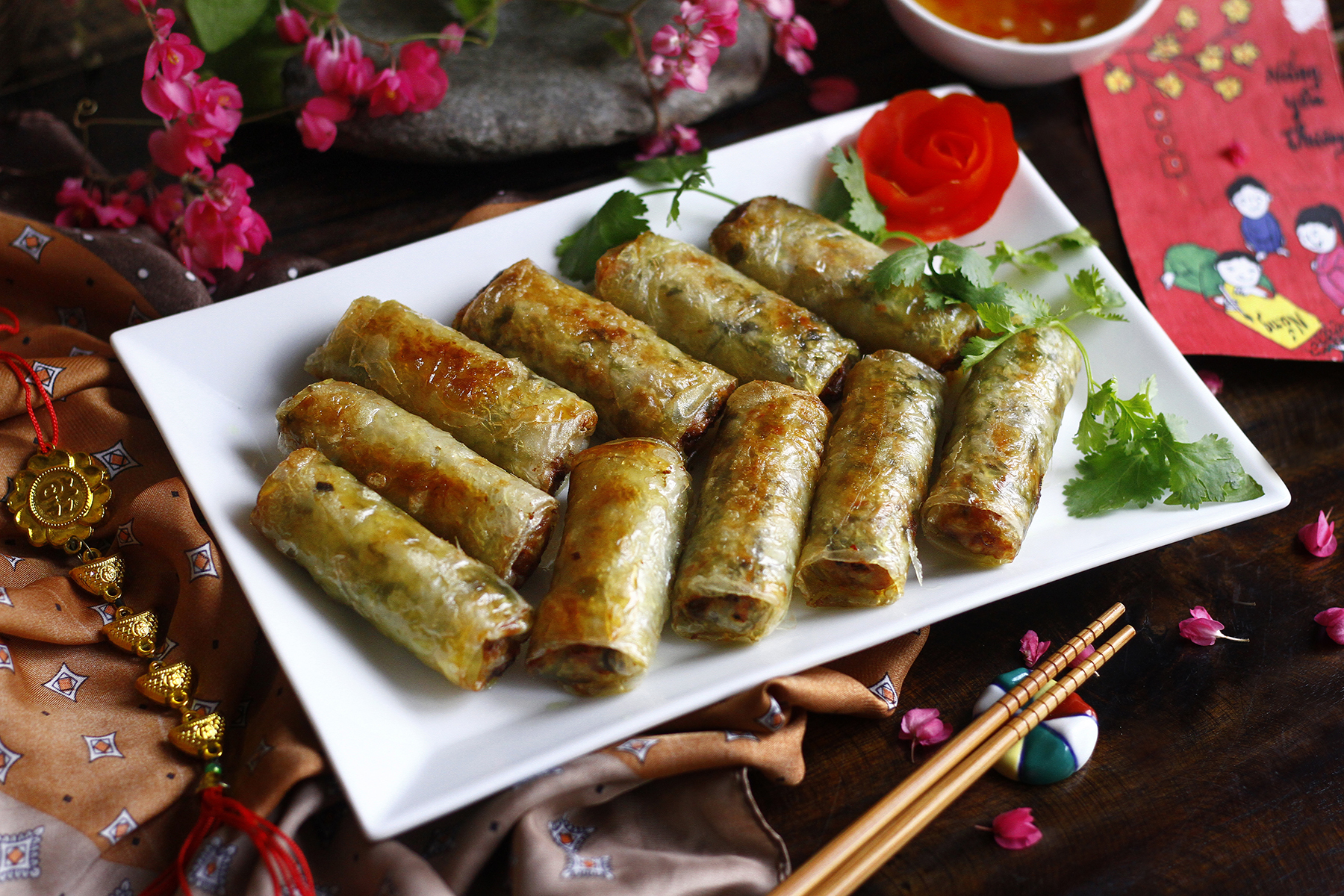
Nem Ran (Spring Rolls)
Nem ran (called cha gio in the South) is a highly appreciated specialty, although it is quite easy to prepare. For a long time, nem ran has been a familiar dish served in almost every household during New Year festivities, family gatherings, and receptions.
The filling of nem ran consists of minced pork, crab meat, eggs, chopped wood ear mushrooms, shiitake mushrooms, dried onions, bean sprouts, pepper, and seasoned salt, among others. The mixture is then rolled in rice paper wrappers and fried in a pan until golden and crispy.
Nem are eaten hot with a dipping sauce that is simultaneously salty, sweet, sour, and aromatic, with the flavors of onion and pepper. It is usually served with shredded papaya and fresh herbs.
Gio Lua (Silky Lean Meat Paste)
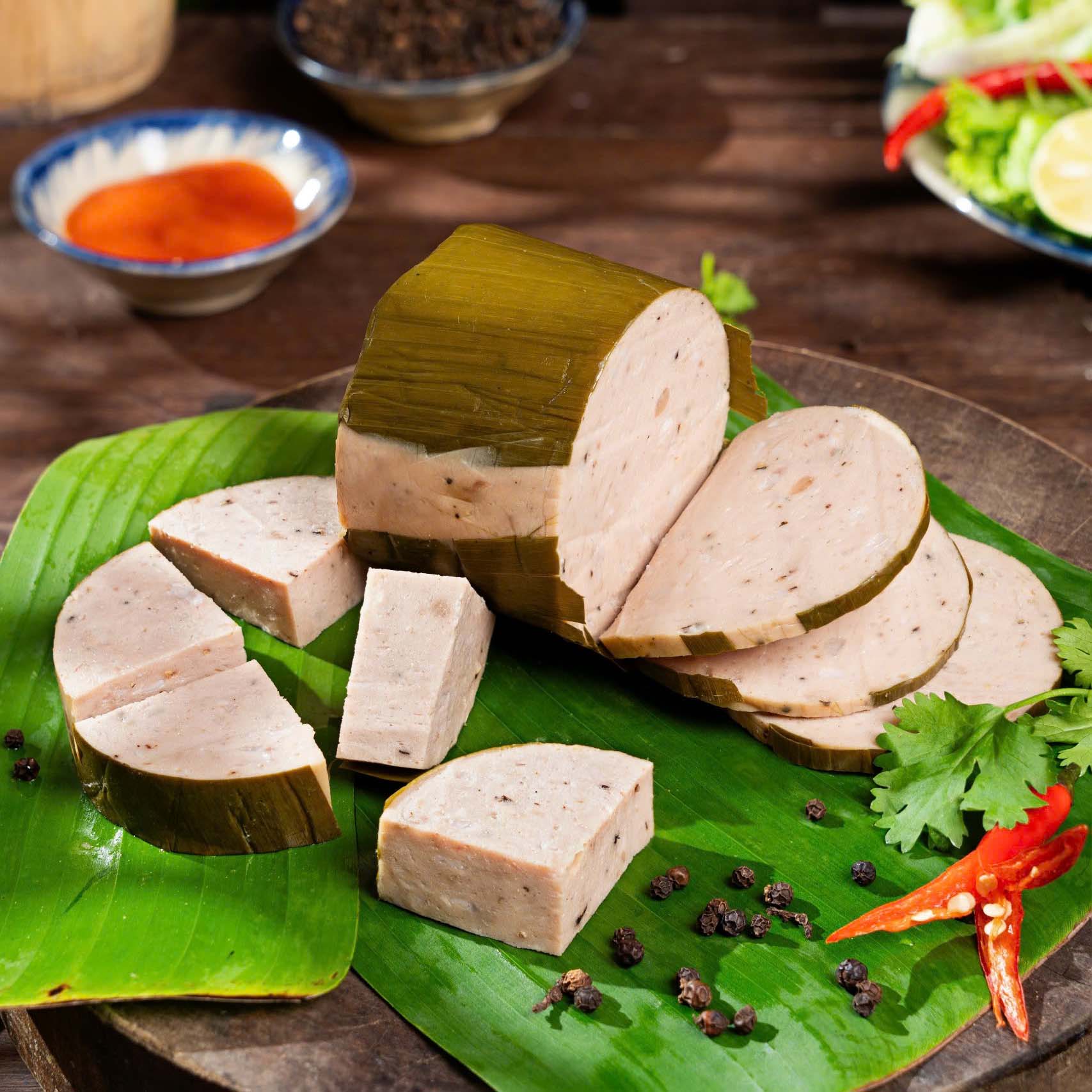
The name “silky lean meat paste” itself evokes the idea of the dish’s smooth and delicate texture. Gio lua is made from lean pork, which is pounded with a pestle until it becomes a sticky paste. Fresh banana leaves are tightly wrapped around the paste, which is then boiled thoroughly.
A good gio lua has a fine white color, a firm texture, and a fragrant, slightly sweet taste. Gio lua can be found anywhere in Vietnam, but the best comes from Uoc Le Village in Hanoi, where the traditional recipe has been carefully preserved and kept secret for generations.
Slices of Gio lua are slightly pink, moist, and fragrant, with the delicate aroma of meat, fish sauce, and banana leaves.
——————————–
Special Food in Northern Vietnam
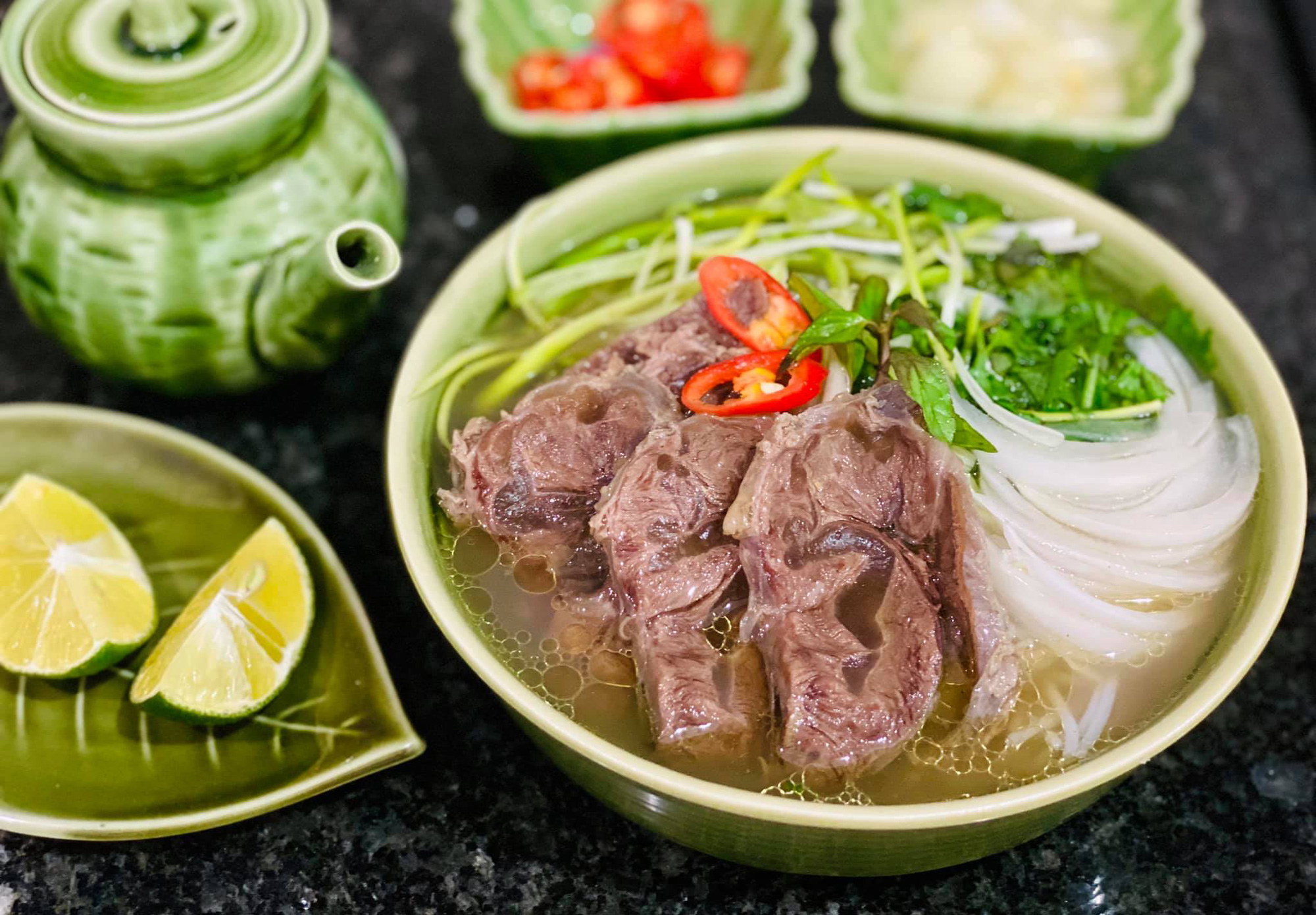
Pho (Rice Noodle Soup)
Pho, a typical dish of Hanoians, has existed for a long time.
It is prepared not only with sophistication but also with great care to ensure a sweet yet clear broth, tender but not soggy noodles, and soft, fragrant meat.
Only on cold days can you truly savor the full flavor of this special dish by enjoying a hot, aromatic bowl of Pho.
Bun Thang (“Ladder” Rice Vermicelli Soup)
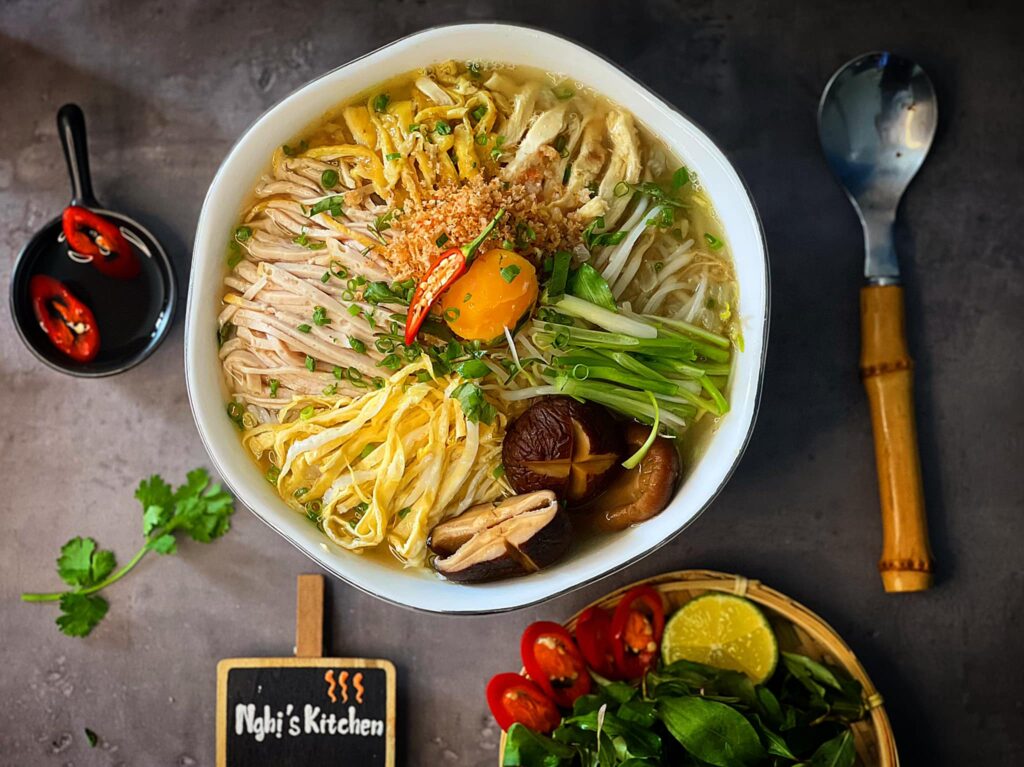
Noodle soup dishes in Vietnam are quite diverse, including vermicelli with fried chopped meat, bun thang, vermicelli with sour crab soup, and stewed vermicelli with boiled lean pork, among others. While vermicelli with sour crab soup is more popular, bun thang is considered a dish for connoisseurs — unique and only available in Hanoi.
A bowl of bun thang includes lean pork paste, thinly fried egg strips, salted shredded shrimp, chicken, onion, shrimp paste, and a drop of essence from the giant water bug (Belostomatid). The broth, made from shrimp and pork, must be especially clear and delicately sweet. Without trying bun thang when arriving in Hanoi, it feels as though one has missed an essential taste of the city.
Oc (Snail dish)
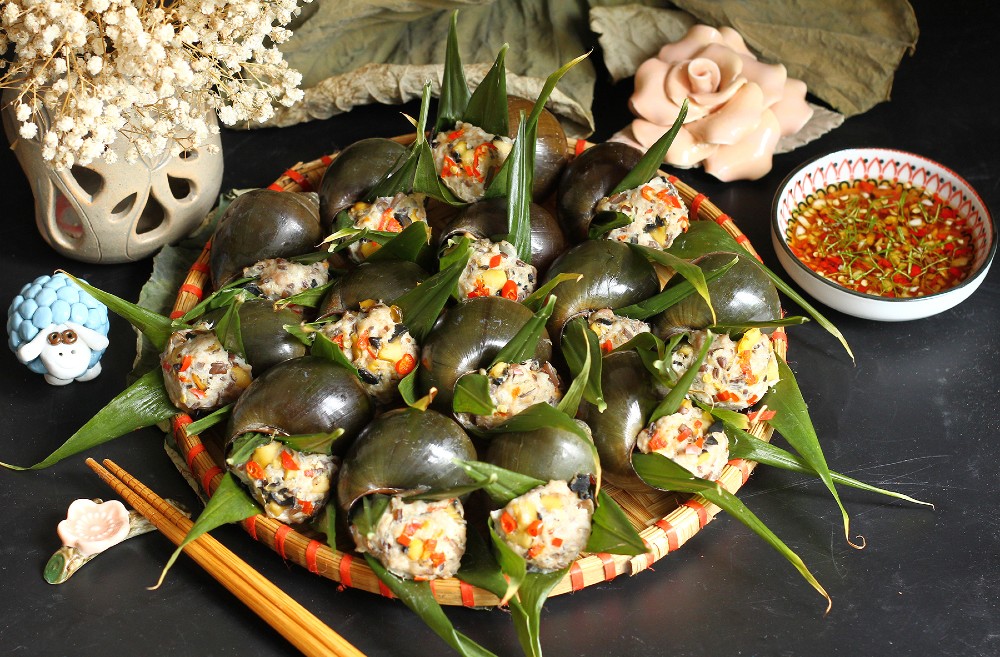
Snail dishes are popular yet unique among Hanoians. It is easy to find dishes such as steamed snails with ginger leaves, sautéed snails with carambola, boiled snails with lemon leaves, or steamed snails with Chinese herbs in many eateries, restaurants, and even hotels. However, vermicelli with snail sour soup is the most popular among young women because of the snails’ crisp texture, the slightly sour flavor of the broth, and the spiciness of boiled-down chili, making even those who are full want to keep eating.
Com (Green Rice Flakes)
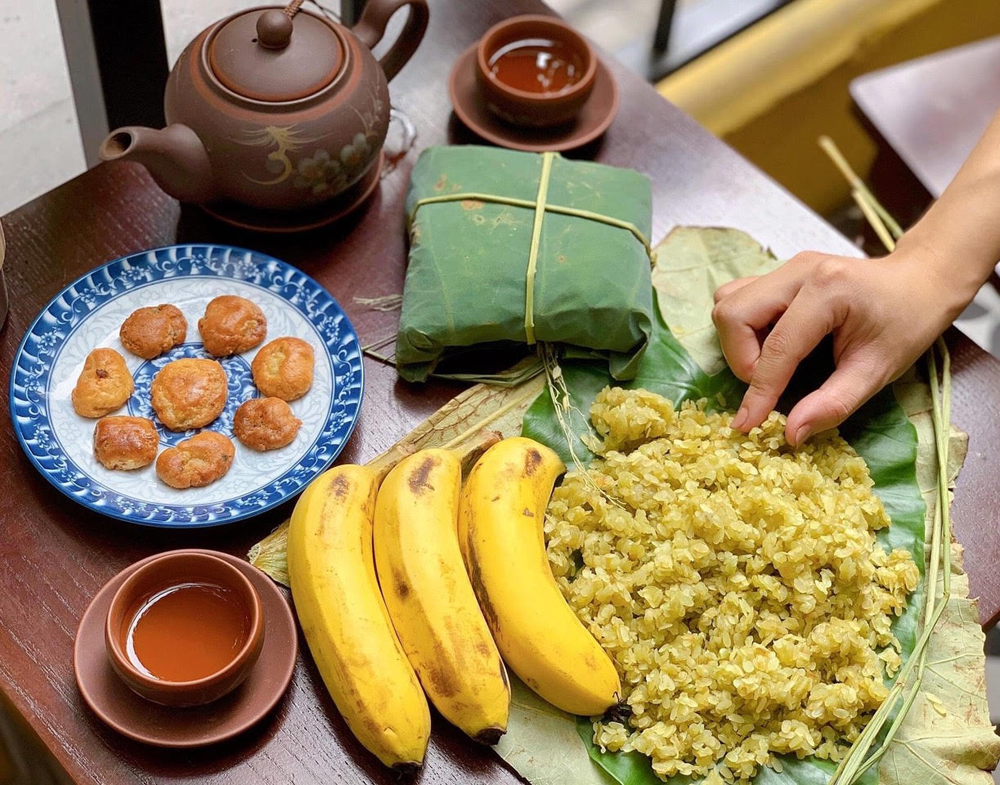
Every autumn, around September and October, when the cool northwesterly wind brings cold dew, the sticky rice ears bend into arches, their grains full and rich with concentrated rice milk — a sign that the com season has arrived.
More than anyone else, the peasants know exactly when the rice ears are ripe enough to be harvested for making com. Com is made from young sticky rice harvested during the flowering period. The grains are roasted several times, then crushed and sieved.
Com is a specialty that is both unique and popular. It is often enjoyed with tieu ripe bananas. When eating com, one should eat slowly and chew carefully to savor the aroma, flavor, and delicate texture of the young rice.
Com is also used as an ingredient in many Vietnamese specialties, including com xao (toasted com), banh com (com cake), and che com (sweet com soup). Com can be found throughout northern Vietnam, but the finest is made in Vong Village, 5 km from Hanoi, where com-making has been a traditional craft for generations.
Cha Ca La Vong (La Vong Grilled Fish)
Cha Ca La Vong is a unique specialty of Hanoi people; therefore, one street in Ha Noi was named Cha Ca Street. Cha ca is made from mudfish and snakehead fish, but the best one uses Hemibagrus (Ca lang). The bones are removed to keep only the fish meat, which is then seasoned, clamped between pieces of bamboo, and grilled over charcoal. A small charcoal stove is used when serving to keep Cha ca hot. It is served with roasted peanuts, rice noodles, dry pancakes, fresh herbs, and shrimp paste mixed with lemon and chili. The Cha Ca La Vong Restaurant at No. 14 Cha Ca Street is considered the “ancestor restaurant” of this dish.

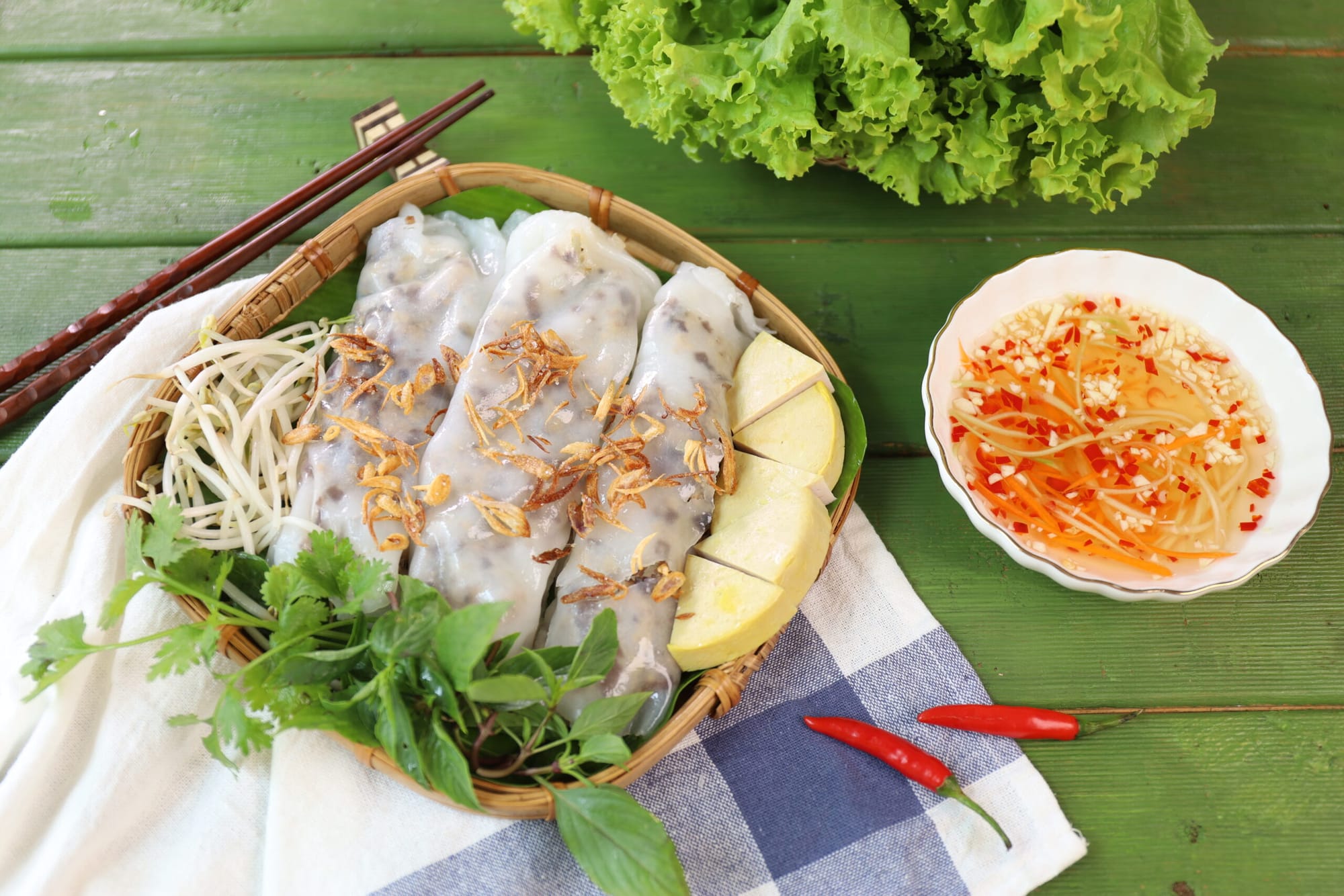
Banh Cuon (Rolled Rice Pancake)
Banh cuon is a popular breakfast dish among Vietnamese people. The preparation process involves steaming thin sheets of rice batter, brushing them with oil to create a soft and aromatic texture. Banh cuon is usually served fresh. The rice sheets are placed on a plate right after being cooked when customers order.
The dish is called Banh cuon Thanh Tri because it originated from Thanh Tri Village in the southern part of Hanoi. In addition to Banh cuon Thanh Tri, there is also a version filled with minced pork mixed with wood ear mushrooms and shiitake mushrooms. The dish is served with salted shredded shrimp and fried shallots.
Diners often enjoy Banh cuon while it is still hot and freshly made. What makes the dish especially attractive is its dipping sauce. Each maker has their own secret recipe—some even add belostomatid essence to enhance its unique aroma and flavor.
Lon Quay Lang Son (Lang Son Roasted Pork)
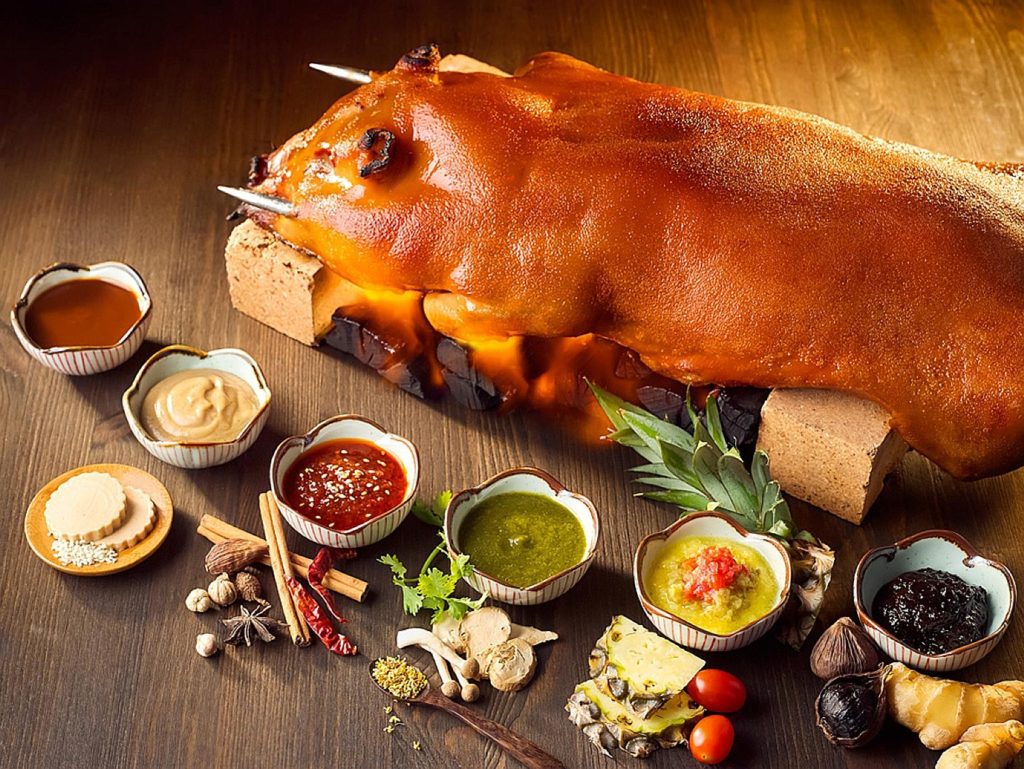
Anyone who visits Lang Son Province would find it difficult to say no to this dish. Lon Quay Lang Son is delicious for many reasons, but its distinctive flavor mainly comes from a unique local herb called mac mat (“sweet leaf”). The leaves are seasoned with spices, fish sauce, monosodium glutamate, and other flavorings, then stuffed into the cleaned pork belly before being roasted over a charcoal oven. During roasting, the pig is brushed with diluted honey to make the skin turn golden and crispy, while the meat inside becomes tender and aromatic.
Banh Tom Ho Tay (Ho Tay Fried Shrimp Cake)
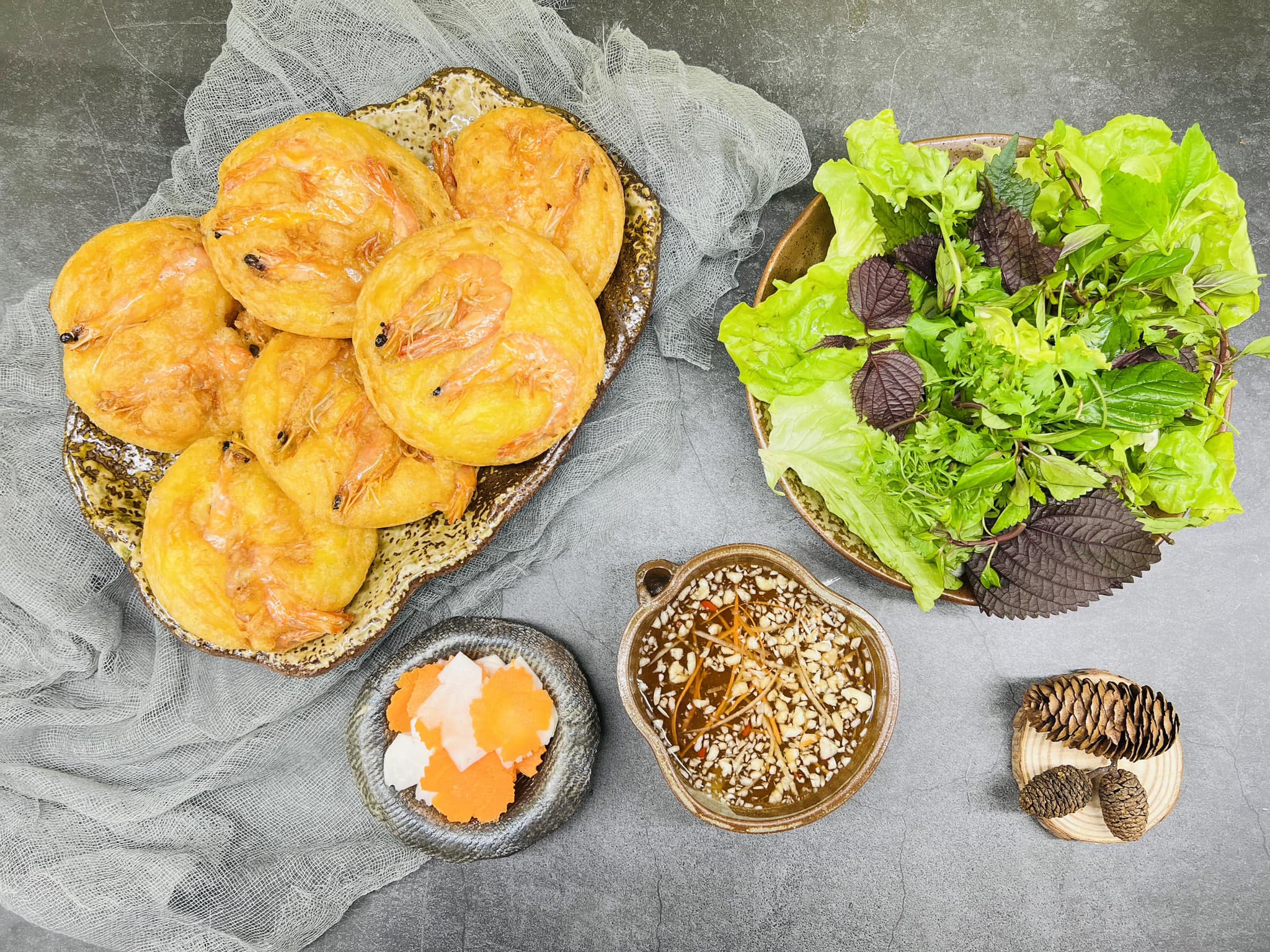
Everyone who has lived in Hanoi is familiar with the famous Banh Tom Ho Tay Restaurant on Thanh Nien Street. The process of making the cake includes mixing wheat flour with shredded potato, placing the mixture on a mold with shrimps on top, and then deep-frying it in oil. The cake is crispy, tender, and aromatic, best served with pickled vegetables and sweet-and-sour fish sauce.
—————————————————–
Special Food in Central Vietnam
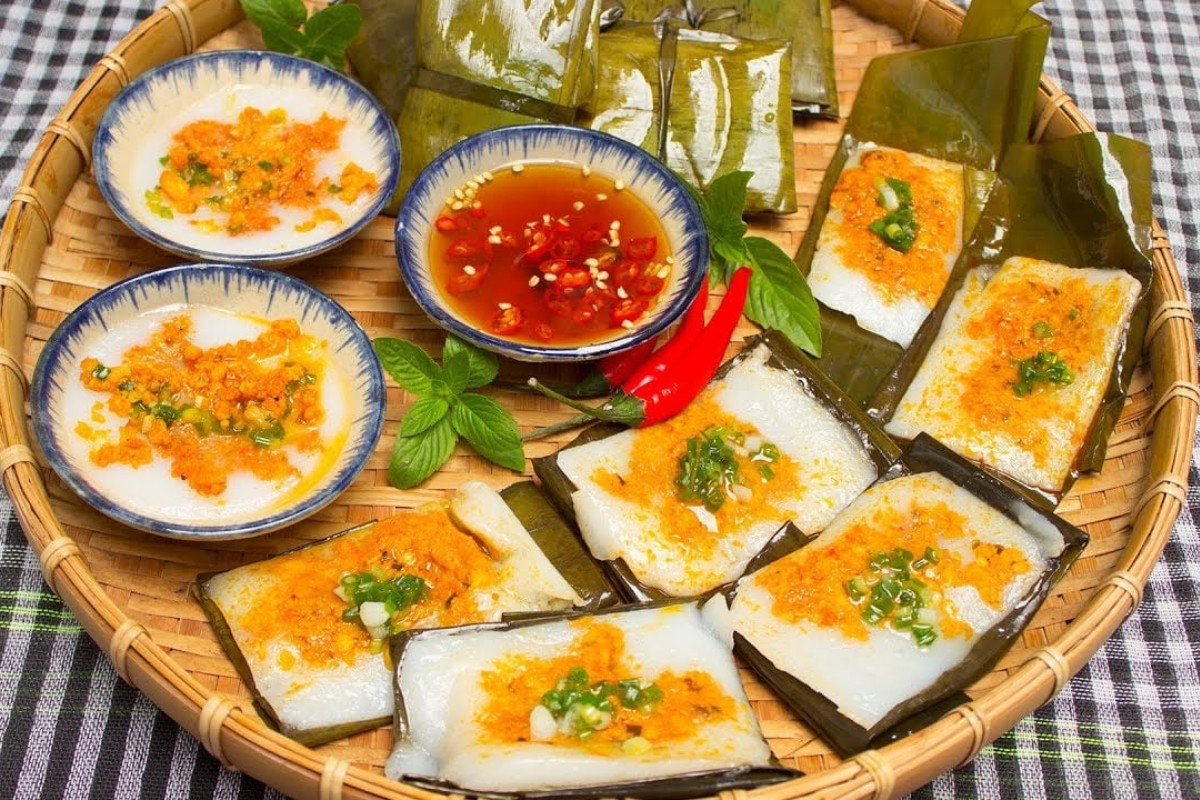
Banh Beo Xu Hue (Hue Steamed Savory Rice Cake)
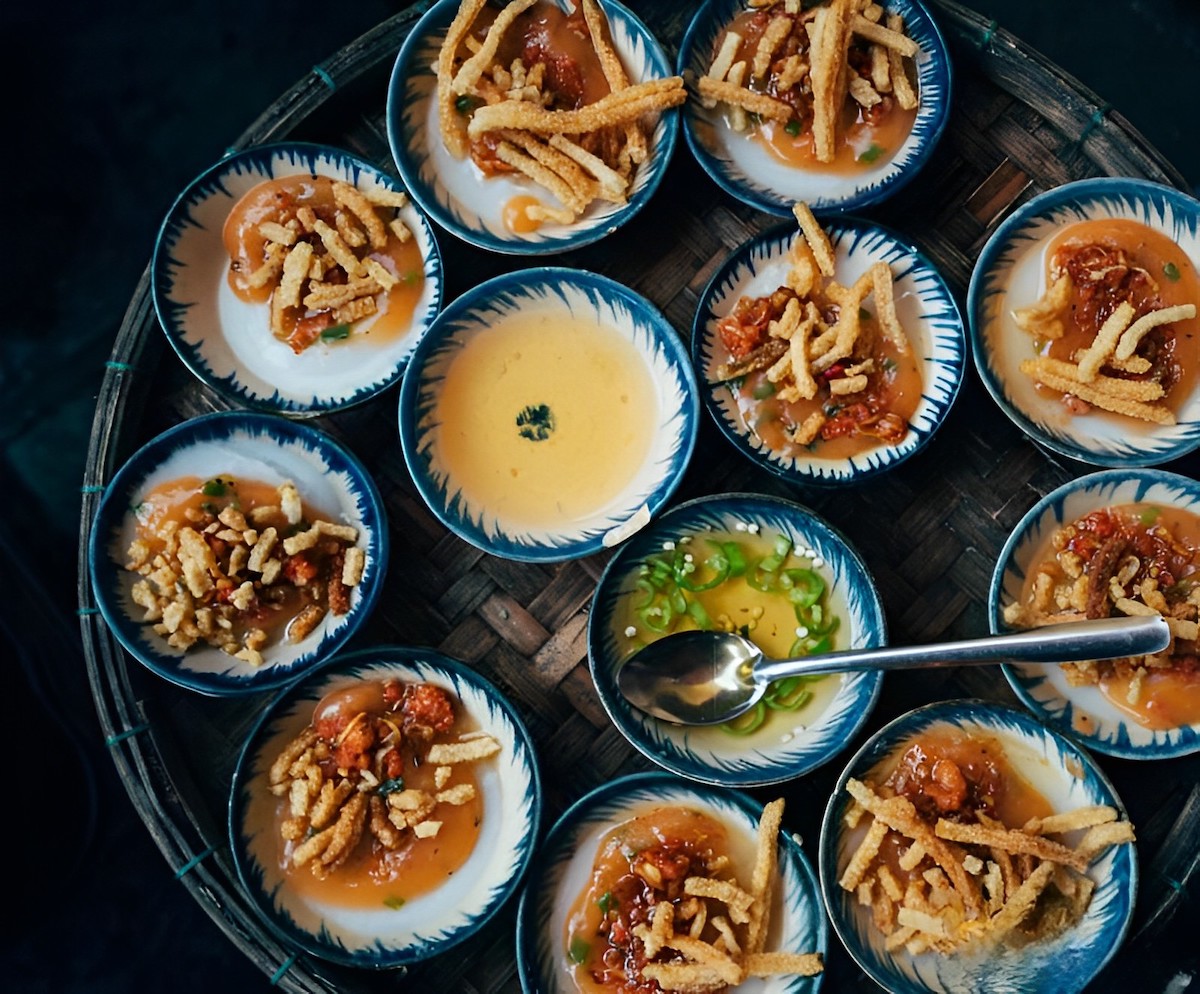
Banh beo is a specialty and an indispensable dish of Hue City. It is delicious with its filling of minced shrimp and sauce made from a mixture of fish sauce, sugar, garlic, chili, and shrimp oil. Therefore, it offers customers sweet, buttery, and aromatic flavors. Without the delicious sauce, the cake would lose much of its appeal. When serving, it is required to use a tool called que cheo (a small bamboo fork) to cut, pierce, and eat the cake. Visitors will be deeply impressed by enjoying Banh beo in a green garden while listening to Hue folk songs drifting from the Perfume River.
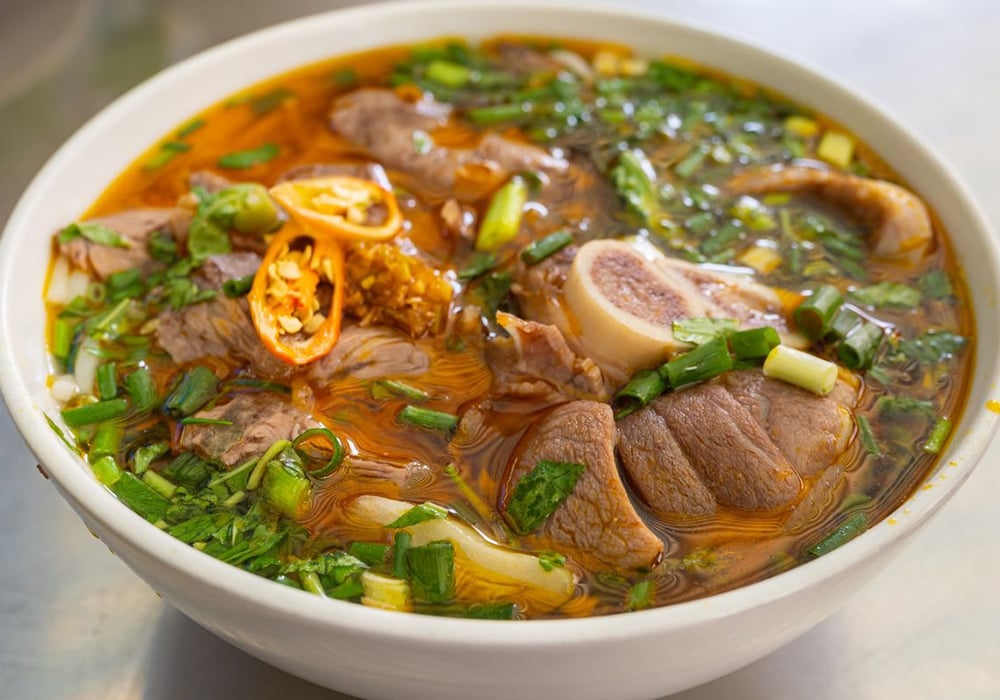
Bun Bo Gio Heo (Beef and Pork Noodle Soup)
Preparing Bun bo gio heo requires great skill. The pig’s leg is carefully cleaned, shaved, and chopped into even pieces with a balance of bone, meat, and skin. It is then mixed with lean beef and marinated with salt, pepper, fish sauce, dried onions, and spices.
Bun bo gio heo suits all appetites. Even people on a diet can enjoy the fragrant beef and the less fatty pork leg without feeling overwhelmed. This dish is delicious at any time of the day, and you can enjoy this Central Vietnam specialty in Hue City.
Banh La Cha Tom (Grilled Rice Cake with Crayfish)
Anyone who has ever tasted this dish would never forget such a simple cake made only from grilled rice cake and crayfish.
The cake must be as thin as a leaf, yet flexible enough. The crayfish should be crispy and sweet. It is served with long-jawed anchovy sauce.
Banh la cha tom does not smell as strong as most other dishes; instead, it is gentle, elegant, and appealing to customers.
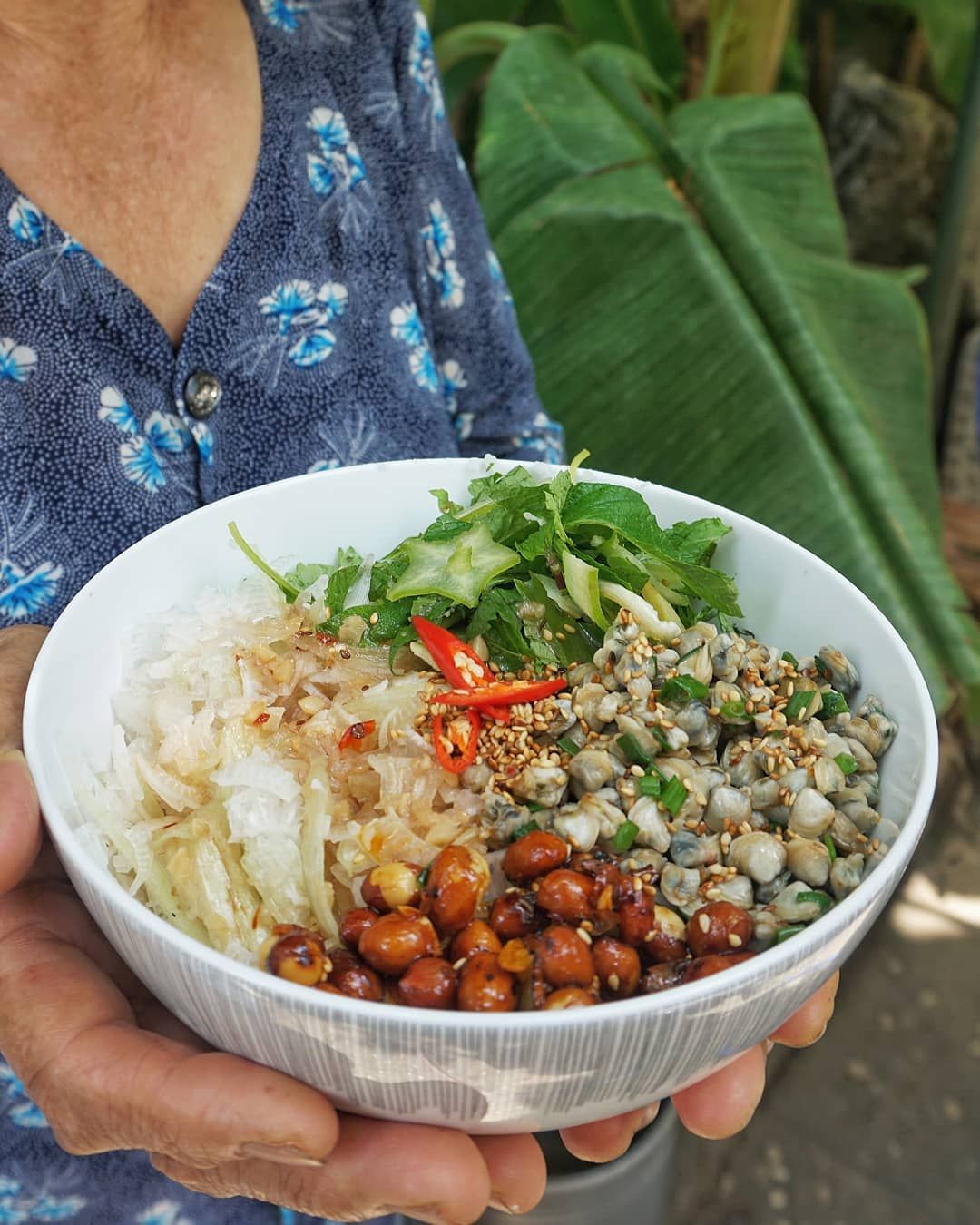
Com Hen Song Huong (Perfume River Mussel Rice)
Com hen has a fragrant flavor of rice, onion, and oil, along with a unique combination of sweet, buttery, salty, sour, bitter, and peppery-hot tastes. To enjoy the authentic Com hen, you need to visit Hen Islet on the Perfume River. However, the dish can also be found on several streets in Hue City.
Preparing Com hen requires about 15 different ingredients, including mussels, fried and liquid lard, peanuts, white sesame seeds, crispy rice paper, salted shredded meat, chili sauce, banana flowers, banana trunk, sour carambola, aromatic herbs, peppermint, and salad, among others.
Com hen always attracts many customers because it is both delicious and affordable for everyone.
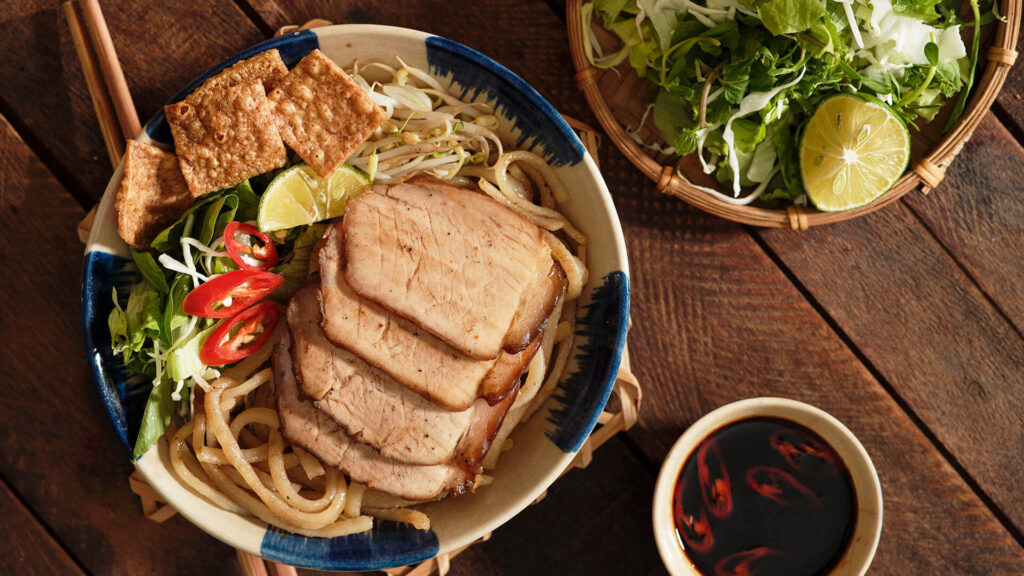
Cao Lau Hoi An (Hoi An Vermicelli)
Cao lau is a dish that has its own uniqueness, and therefore it is usually served only in Hoi An.
The noodles are carefully made from freshly harvested local rice, not stored rice. The water used to soak the rice must be taken from the Ba Le Village wells, which makes the noodles soft, chewy, and delicately aromatic. In addition, the meat used in Cao lau must be pork loin or leg.
The dry pancakes should be thick and rich in sesame seeds. A touch of rich coconut sauce and slightly bitter greens are also indispensable. The so-called authentic Cao lau Hoi An must meet all the above requirements.
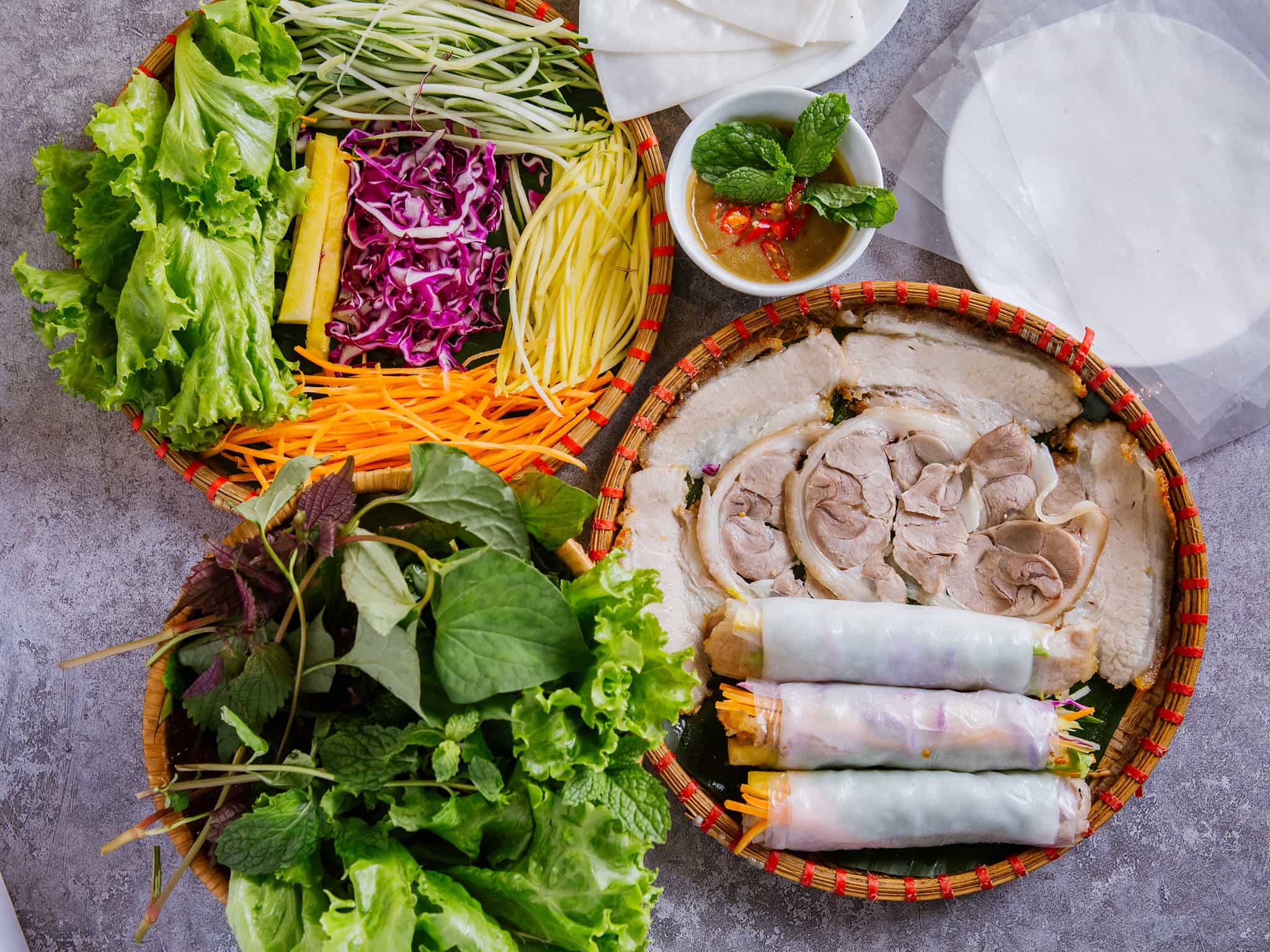
Banh Trang Cuon Thit Heo (Dry Pancake Roll with Pork)
When visiting Central Vietnam, you can enjoy Banh trang cuon thit heo, a local specialty.
A large plate of fresh vegetables with peppery-hot red chili, a plate of boiled pork with both lean and fat meat, a bowl of fish sauce, and a plate of dry rice pancakes are all arranged on the dining table. Customers serve themselves with all the ingredients mentioned above. Banh trang cuon thit heo is considered not only a daily dish but also an artistic specialty of the Central Vietnamese people.
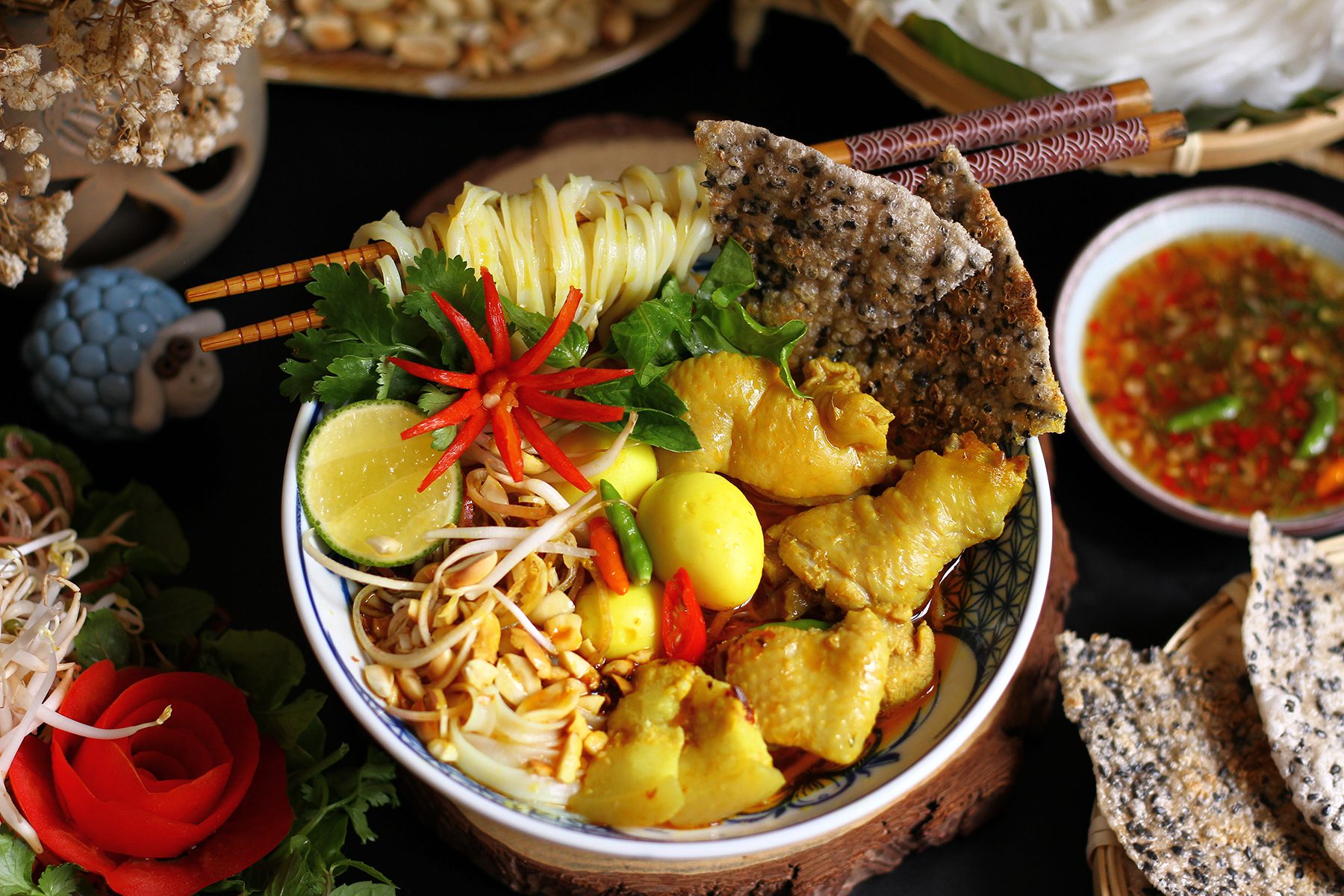
My Quang (Quang Soft Noodle Soup)
Similar to Hu Tieu (rice noodles with chicken or pork soup), My Quang is a variation of Pho (rice noodle soup) because the noodles are made from rice and served with a small amount of broth. The broth is made from a mixture of flavors from beef or pork bones, shrimp, crab, chicken, and duck. The noodles are yellow in color, making them distinct from Pho. However, the main reason for this color is to create harmony with the colors of shrimp and crab.
The best My Quang is made from rice from Phu Chiem, shrimp from Cho Dai, and spicy herbs from Tra Que. Thanks to its carefully selected ingredients, My Quang has become dominant in almost all culinary markets in the central provinces and has gained a high reputation as a specialty of Quang Ngai Province.
—————————————–
Special Food in Southern Vietnam
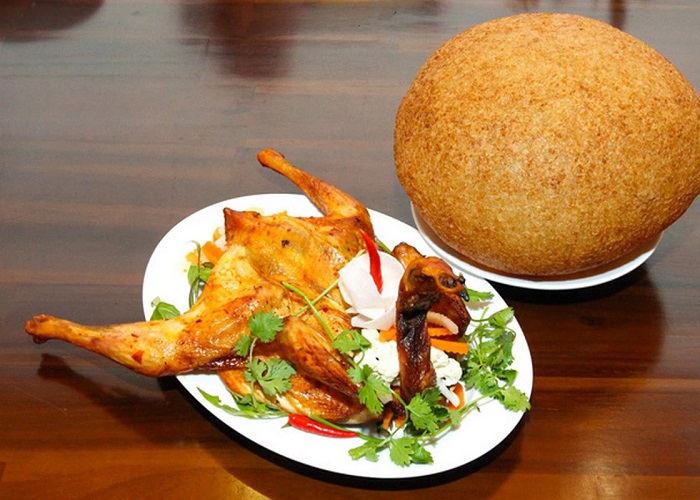
Xoi Chien Phong (Puffed Fried Sticky Rice)
A round plate of Xoi chien phong, placed next to a plate of buttery roasted chicken, is always appealing to anyone. A small lump of sticky rice can be turned into a large, puffed plate of Xoi chien phong—as big as a grapefruit—by talented chefs. In the past, Xoi chien phong was served only at Binh Duong Restaurant in Dong Nai Province. Today, you can enjoy this dish in star-rated hotels in Ho Chi Minh City.
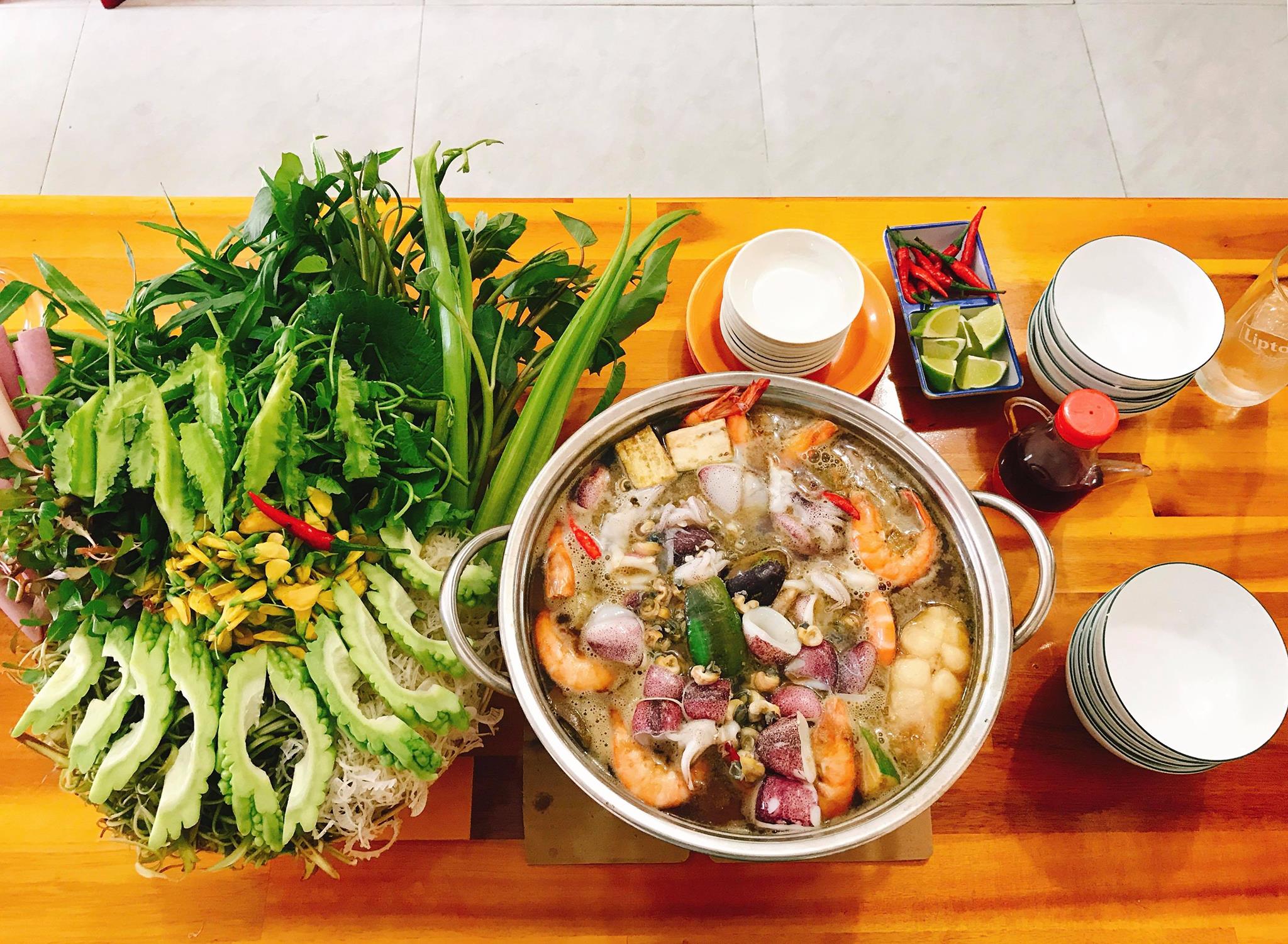
Lau Mam (Mixed Vegetable and Meat Hot Pot)
At present, Lau mam, which used to be a simple folk dish for hundreds of years, has become a luxurious specialty in the South. Chau Doc fish sauce, made from freshwater fish that is sweet-smelling and rich in flavor, is an essential ingredient for a delicious Lau mam.
The ingredients used to prepare Lau mam include fresh items such as snakehead fish, keo fish, pork, peeled shrimp, eel, beef, and more, accompanied by at least ten kinds of vegetables — sometimes up to twenty-four. These include water lily, eggplant, bitter melon, straw mushrooms, bean sprouts, and chili.
When boiled, the sauce mixed with lemongrass, chili, vegetables, fish, shrimp, and meat becomes wonderfully aromatic. The Lau mam broth is then scooped into bowls and served with soft rice noodles — simple yet delicious.
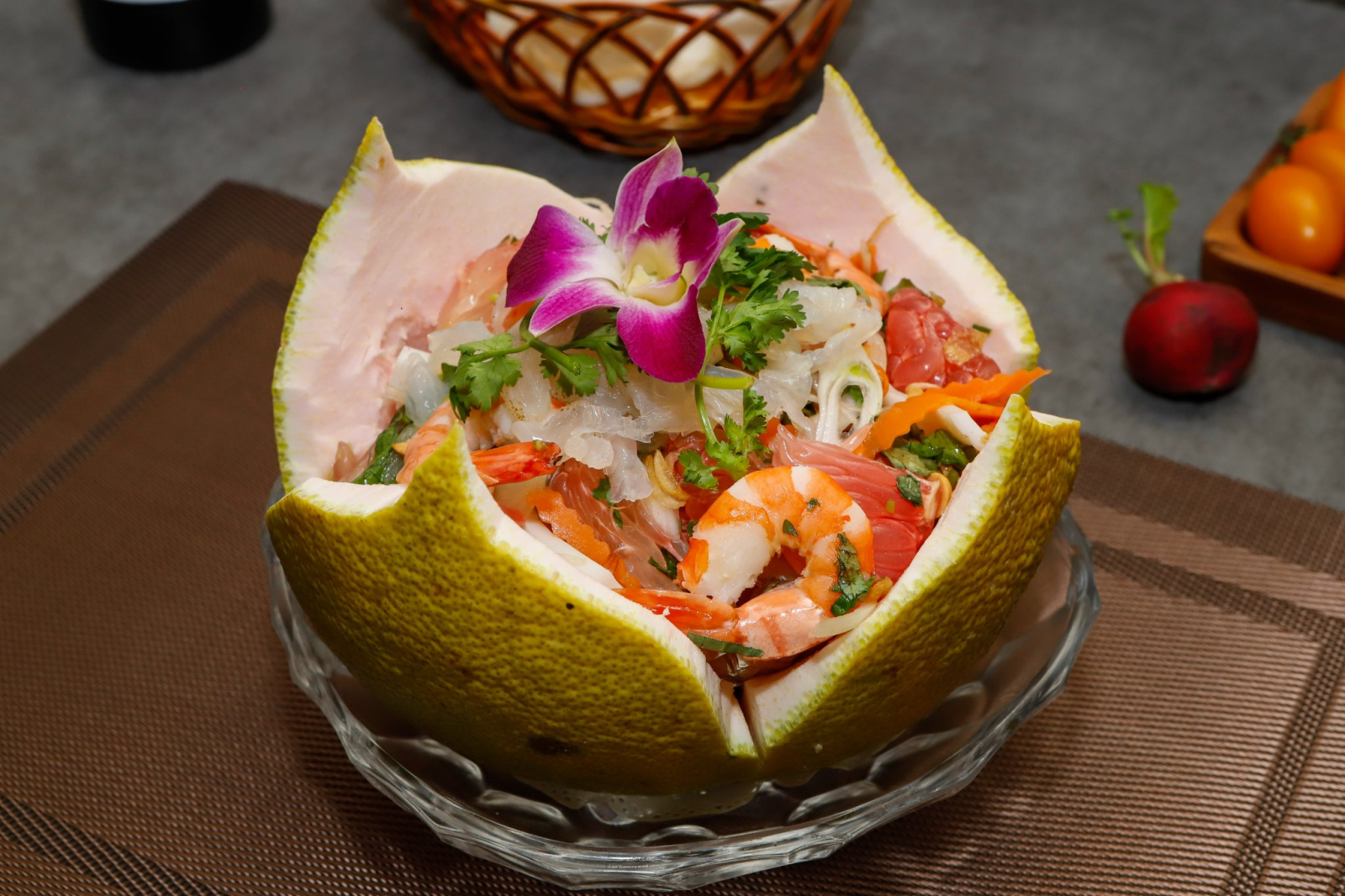
Goi Buoi (Pomelo Salad)
Goi buoi is available at most famous restaurants in Ho Chi Minh City. The main ingredients of the dish include pomelo mixed with fresh shrimp, pork, and dried cuttlefish. The dish originated from Miet Buoi, Bien Hoa City.
Goi buoi has a distinctive flavor that combines slightly sour, sweet, spicy, and buttery tastes. It is also mixed with fresh herbs, white sesame seeds, coconut, and dried cuttlefish. Therefore, the dish appears on the dining table as a fresh and colorful picture that is highly appealing to diners.
Ca Tai Tuong Chien Xu (Deep-fried Giant Gourami)
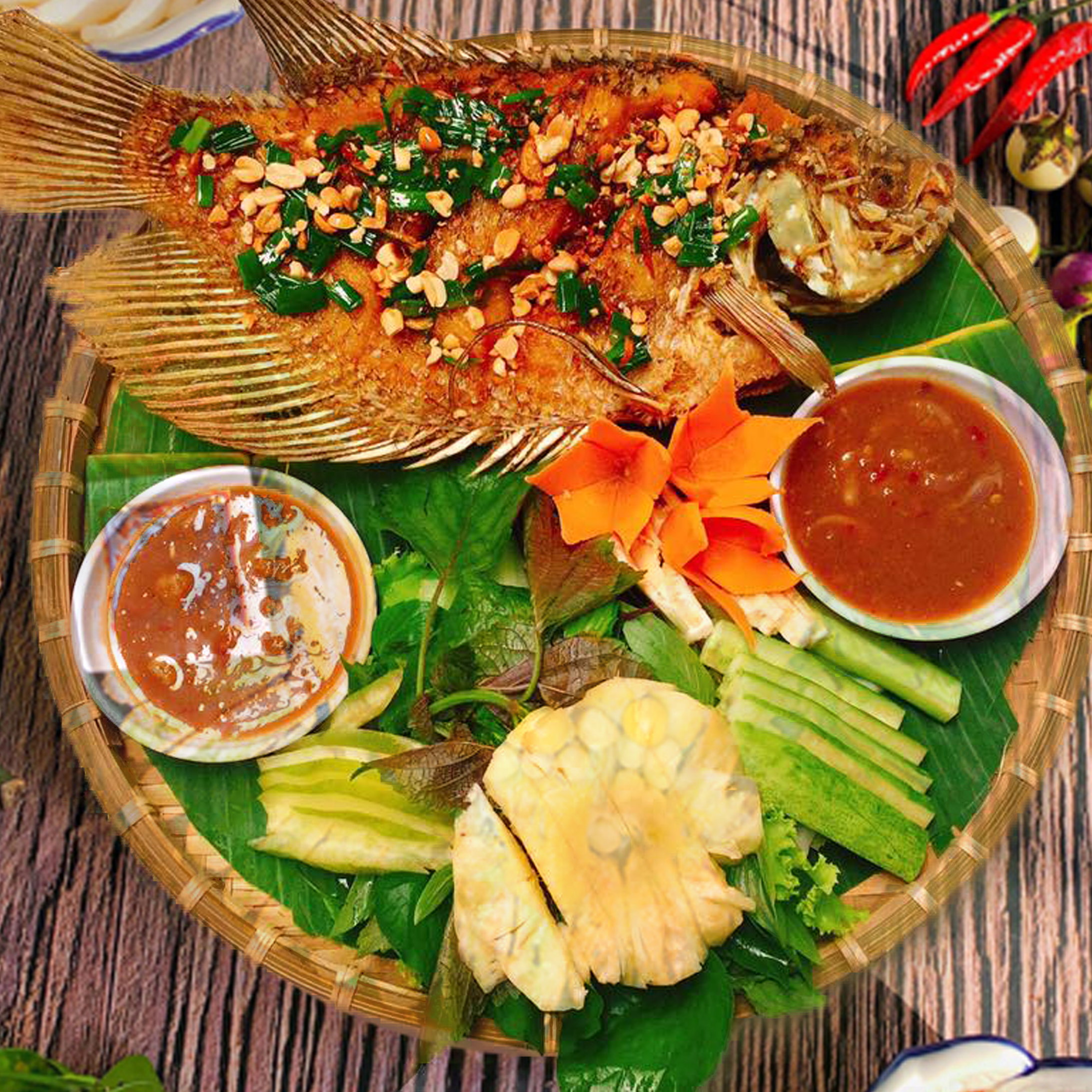
The “Tai tuong” fish is considered a luxurious delicacy. Its flesh is white like chicken, tender, flavorful, and pleasantly aromatic without being mushy.
There are two ways to prepare this dish: braised or deep-fried. When deep-frying, pour plenty of oil into the pan and heat it until hot, then place the fish in. As it fries, the fish scales curl up like a porcupine’s quills.
When serving, place the fish on a plate, arrange boiled quail eggs around it, and garnish the edges with fried potatoes, fresh onion, and tomato slices. Season with chili. Finally, pour the sauce over the fish and sprinkle it with fried peanuts and crispy fried shallots.
The dish is served with a sweet and sour fish sauce. Ca tai tuong chien xu is a unique and luxurious specialty of Southern Vietnam.
Ca Nuong Trui (Straw-grilled Fish)
Southern villagers often enjoy this dish while working in the fields. They skewer the fish with a bamboo stick, stick the head end into the ground, then pile up rice straws in a windy place and light them to grill the fish.
When serving, use your hands to remove the burned skin — the fish meat becomes as white as chicken. Place the hot fish on a lotus leaf, take each piece, dip it in salt and pepper, add a few drops of lemon juice, and roll it in fig leaves or young sesame shoots to enjoy the flavor. No bowl or chopsticks are needed.
At home, the dish can be served with dry pancakes, soft noodles, and vegetables. Ca nuong trui is a popular and enjoyable dish, often paired with drinks.

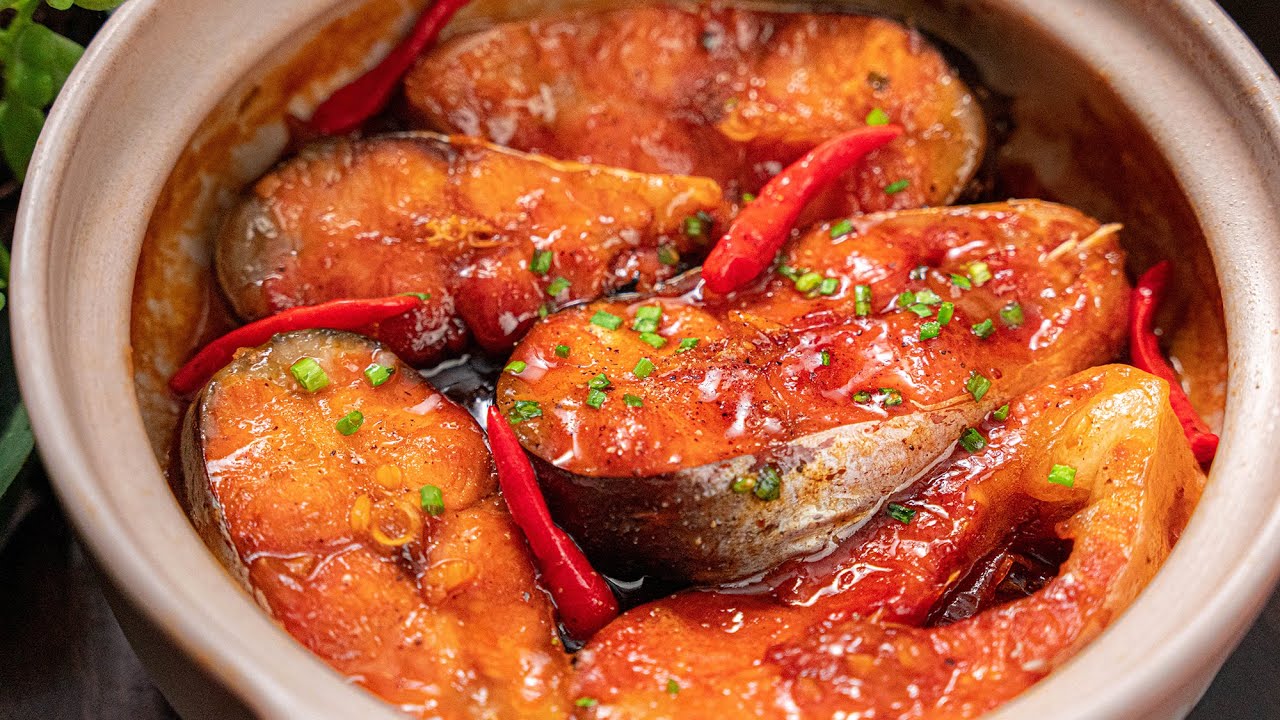
Ca Kho To (Braised Fish in Clay Pot)
The fish used to prepare this dish can be catfish, anabas, or snakehead fish. The necessary ingredients include dried garlic, fresh lemon, onion, chili, sugar, monosodium glutamate (MSG), fish sauce, cooking oil, a spoonful of pepper, and some wine.
Although Ca kho to is a common dish in the South, it is also considered a local specialty. When serving, transfer the fish to another bowl, simmer it over low heat, and sprinkle some pepper to make it fragrant. Keep it warm while serving. Ca kho to can be enjoyed with boiled vegetables such as spring onions, cabbage, or spinach, which are dipped in the fish sauce. It also goes well with pickles such as pickled beetroot or unripe pineapple.
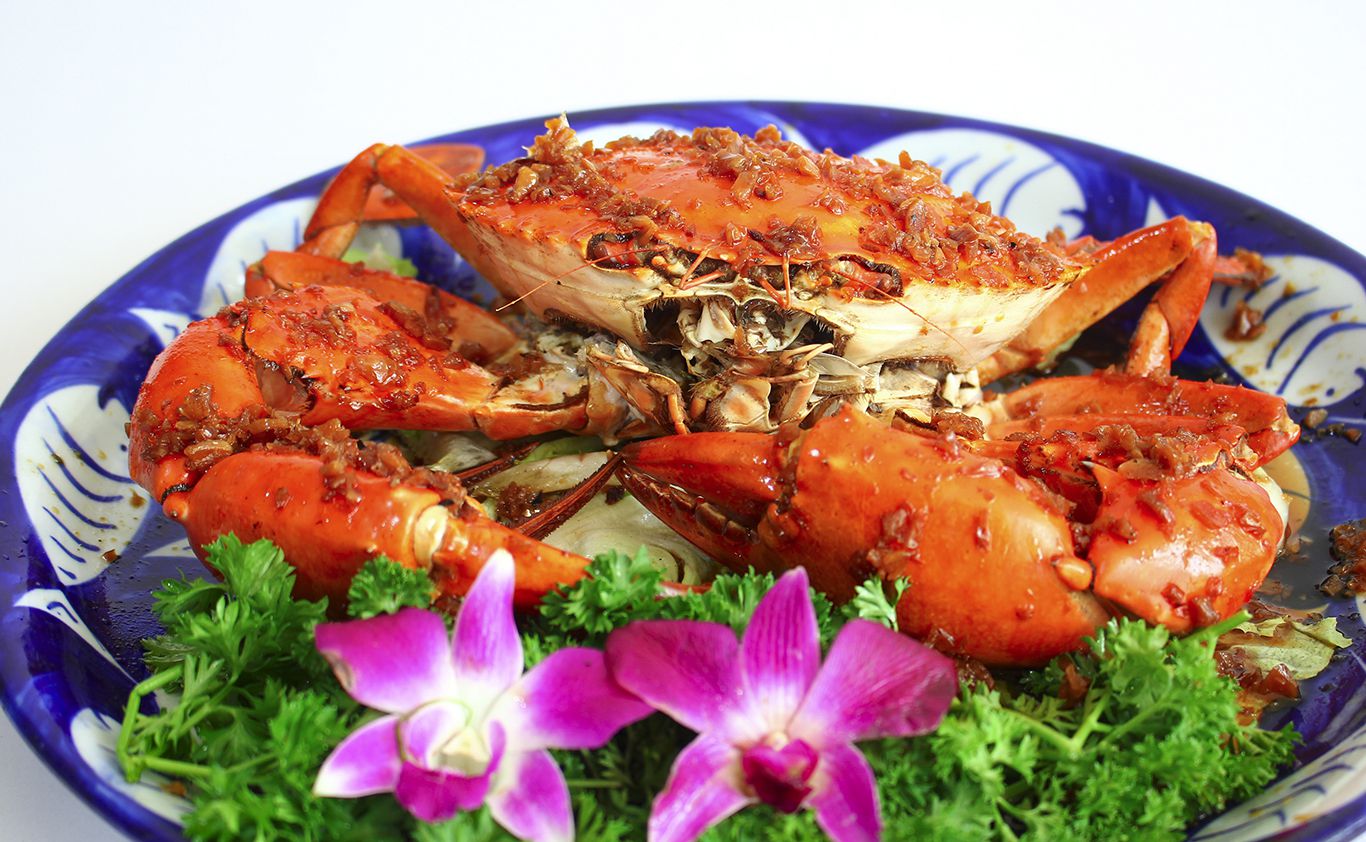
Cua Rang Muoi (Fried Salted Crabs)
Westerners, especially those from landlocked countries, usually appreciate the dish as soon as they first try it.
At parties, a plate of bright red Cua rang muoi is usually served as an appetizer. Diners can immediately sense the fragrant aroma of spices and the rich, buttery flavor of crab at the same time.
Experienced chefs in the coastal city of Vung Tau usually select brackish-water crabs that are rich in meat and tomalley. The deliciousness of the dish also depends on the sauce added while frying the crabs, which includes star anise, cinnamon, and cardamom.
Connoisseurs usually enjoy the dish while it is still piping hot, served with a squeeze of lemon.